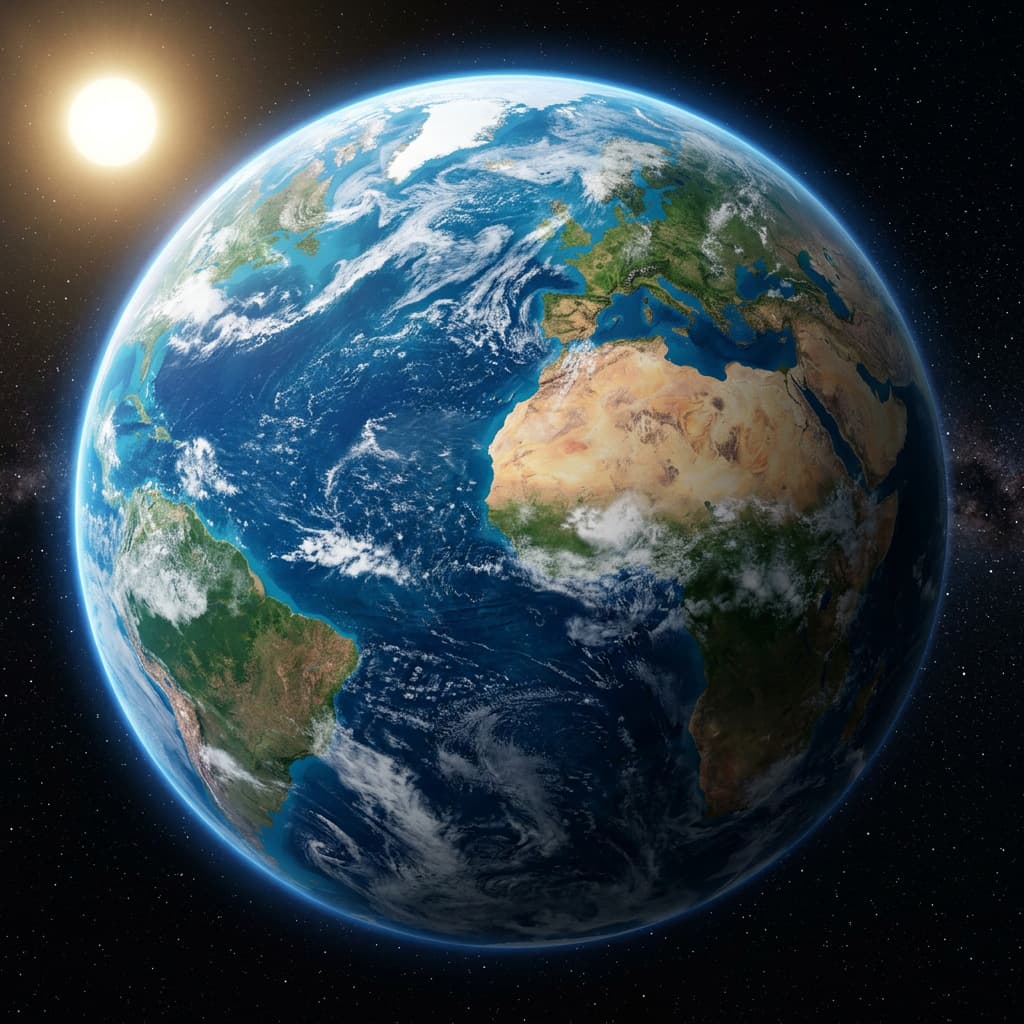
EARTH
TERRA
“The ancestral seat, cultural gravity well, and emotional anchor of Terran civilization.”
AXIOM PLANETARY SURVEY AUTHORITY — 2950 CE
Executive Summary
SEC. IEarth remains the ancestral seat, cultural gravity well, and emotional anchor of Terran civilization. As humanity's birthworld, it holds unique status as the origin of all Terran genetic, cultural, and linguistic lineages. Despite the vast expansion of the Commonwealth across hundreds of light-years, Earth retains unparalleled symbolic and diplomatic significance. The planet is the only known world where lignin-based wood tissue evolved naturally — a unique evolutionary achievement that makes Earth forests irreplaceable both culturally and scientifically.
Earth's current role in Commonwealth civilization is primarily ceremonial and cultural rather than economic. The planet underwent deliberate de-industrialization during the Great Diaspora (2400-2450 CE) as Terran civilization expanded beyond the single world. Heavy manufacturing was relocated to Mars, asteroid facilities, and outer colonies. Earth now focuses on heritage preservation, specialized agriculture, cultural production, diplomatic hosting, and educational institutions. The population of 11.2 billion is stable under voluntary population controls. An additional 3.7 billion inhabit orbital populations (Luna, LEO stations, LaGrange habitats).
AXIOM interest in Earth is primarily historical and scientific — Earth serves as the reference standard for all biological classification systems in the Commonwealth. Every terraforming project, every ecosystem management initiative, and every xenobiological study uses Earth's biosphere as the baseline template.
Physical Profile
SEC. IIEarth orbits Sol, a G-type main-sequence star. The orbital parameters are the defining baseline for Commonwealth astronomy and planetary classification. Earth occupies the optimal position in Sol's habitable zone — not too close to the star, not too far distant, positioned for billions of years of stability that allowed the emergence of complex life.
Earth's physical parameters define the baseline against which all other worlds are measured. The planet's orbital stability and favorable physical characteristics allowed the development of the richest biosphere known.
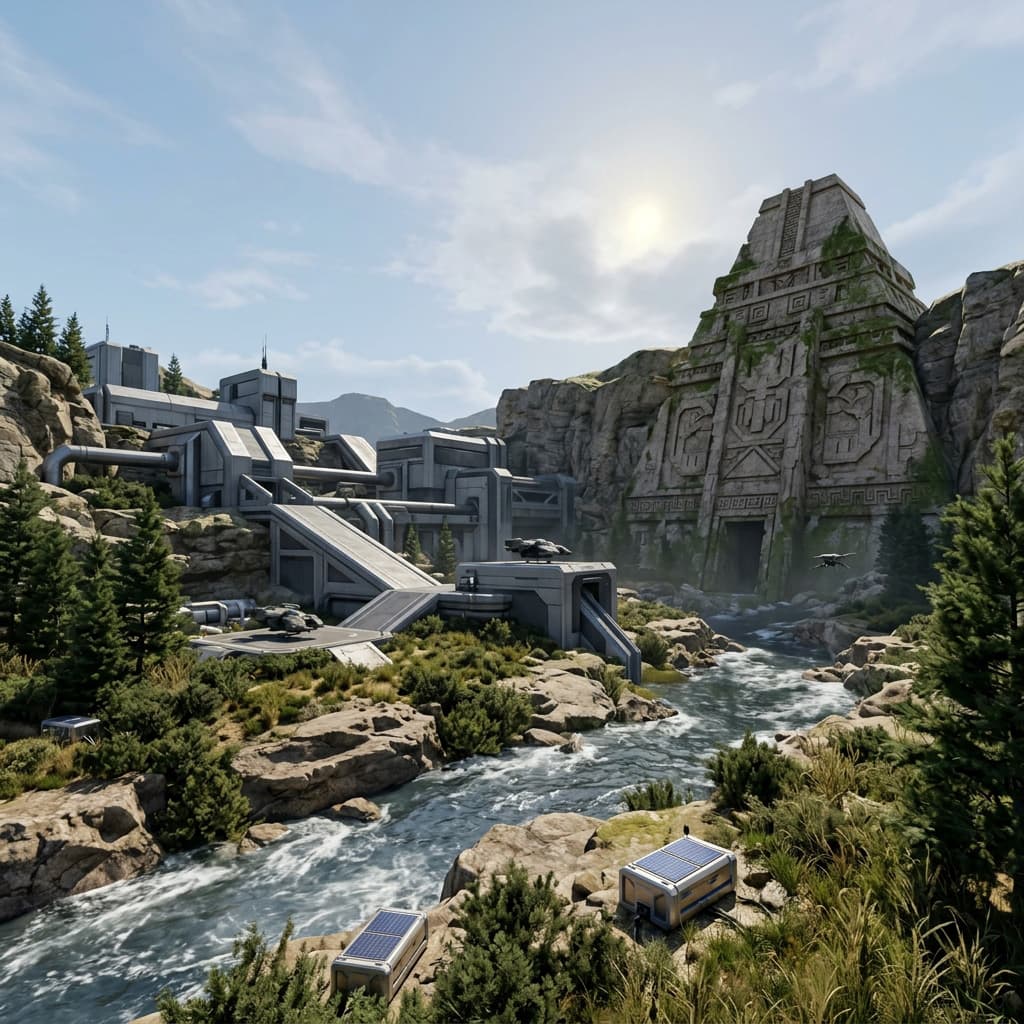
Earth's surface displays extraordinary terrain diversity: mountain ranges (some exceeding 8,800 meters), deep ocean trenches (exceeding 11,000 meters), vast plains, canyons (some reaching 2 kilometers depth), deserts covering millions of square kilometers, forests in temperate and tropical zones, polar ice sheets, and active volcanic regions. This topographic variety is the direct result of active plate tectonics.
Plate tectonics create and destroy terrain continuously. Mountain ranges are created where plates collide. Rift valleys form where plates separate. Volcanic activity brings new material from the planetary interior. The geological dynamism creates an ever-changing landscape while providing the deep-time stability necessary for biological evolution.
Earth's atmosphere is nitrogen-oxygen in optimal proportions for carbon-based biological life: 78.08% nitrogen, 20.95% oxygen, 0.93% argon, 0.04% carbon dioxide, trace gases. The surface pressure of 1.0 atm is the reference standard. The atmosphere provides protection from solar radiation through the ozone layer, enables weather systems that distribute water and moderate climate, and is perfectly breathable for baseline Terran biology without modification.
Surface temperatures range from comfortable (0-35°C in most inhabited zones) to extreme (-89°C recorded in polar regions, +58°C in desert environments). Climate is diverse across the planet due to axial tilt and ocean currents, producing temperate, tropical, polar, and arid zones with corresponding biosphere diversity.
Earth's oceans cover approximately 71% of the planetary surface — an abundance of liquid water that is the foundation of all known life. The oceans are not saline uniformly; salt concentrations vary with depth and geography, but the overall composition is stable and known as the reference standard for oceanic chemistry. Fresh water exists in lakes, rivers, ice sheets, and groundwater aquifers. The hydrosphere cycles through evaporation, precipitation, and surface flow on timescales of centuries to millennia.
Planetary surface covered by liquid water — the defining characteristic of Earth's habitability and the foundation of all known biological life.
Biosphere
SEC. IIIEarth's biosphere is the richest known repository of biological diversity. Millions of species occupy every accessible environmental niche. The biosphere originated approximately 4 billion years ago with simple single-celled organisms. Complex multicellular life emerged approximately 600 million years ago. Terrestrial life colonized land 450 million years ago. Dinosaurs dominated for 165 million years before extinction 66 million years ago. Mammalian life diversified afterward, culminating in the emergence of the genus Homo approximately 2 million years ago and modern humans (Homo sapiens) approximately 300,000 years ago.
Earth flora encompasses hundreds of thousands of species from single-celled algae to trees exceeding 100 meters in height. The most distinctive feature of Earth flora is the evolution of lignin — a complex polymer that provides structural rigidity to plant tissue, allowing the development of wood. Earth is the only known world where wood evolved naturally. The combination of lignified vascular tissue and the right environmental conditions produced forests of extraordinary complexity.
“Earth is the ONLY known world where wood evolved naturally.”
AXIOM XENOBIOLOGY DIVISION
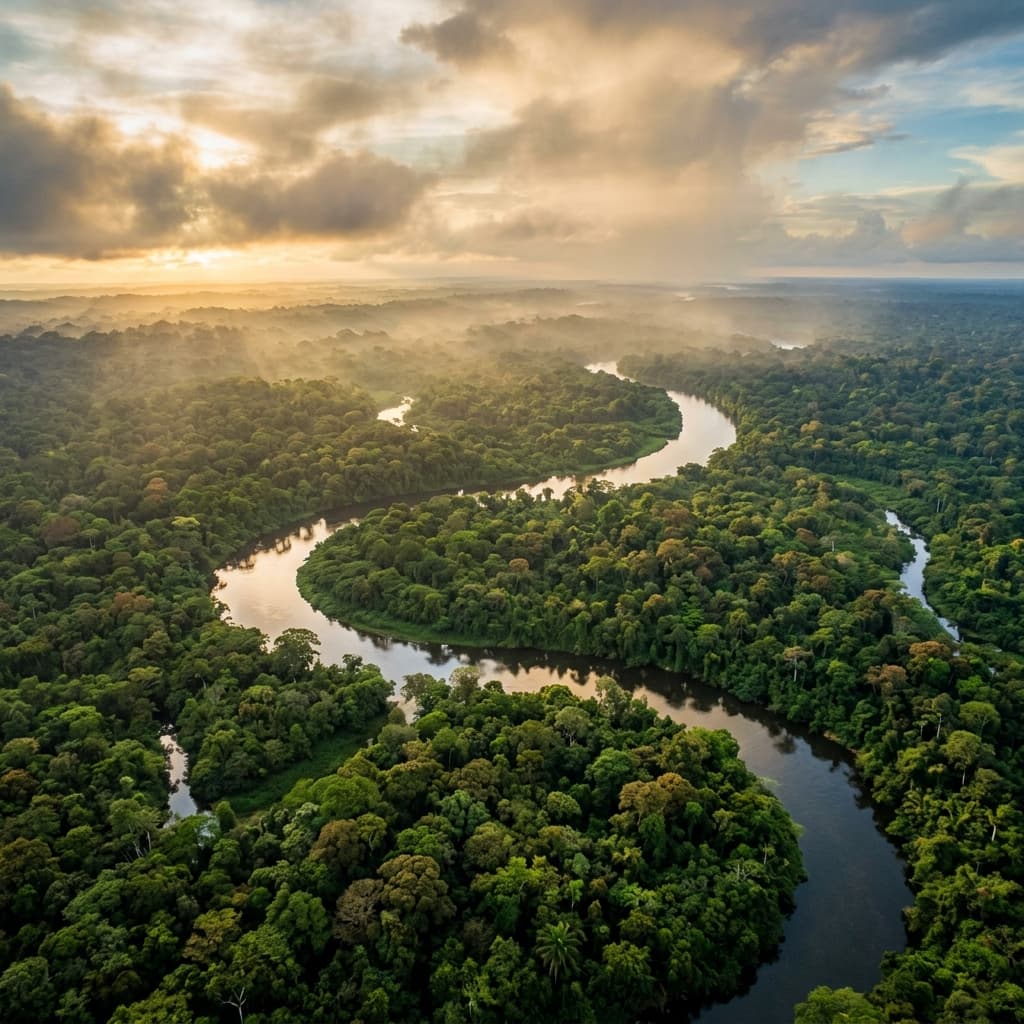
The largest rainforest on Earth — approximately 5.5 million km². Contains approximately 10% of all known species.
Earth's fauna is equally diverse. The largest animals ever to exist were marine organisms (blue whales reaching 190 tons). Terrestrial giants evolved in multiple periods (dinosaurs, megafauna mammals). Complex nervous systems evolved in vertebrates, producing intelligence and consciousness. The family Hominidae includes humans and great apes — the only sapient species known to have evolved naturally.
BIO-5 — Earth represents the maximum known complexity for a natural biosphere. The planet hosts millions of species with millions of interactions, predator-prey relationships, parasitic associations, and symbiotic partnerships. The ecosystem is inherently chaotic — small changes cascade through food webs and produce unpredictable consequences. Invasion by non-native species disrupts local ecosystems. Habitat destruction reduces biodiversity. Despite these challenges, Earth's biosphere is robust and self-repairing on long timescales.
Civilization & Settlement
SEC. IV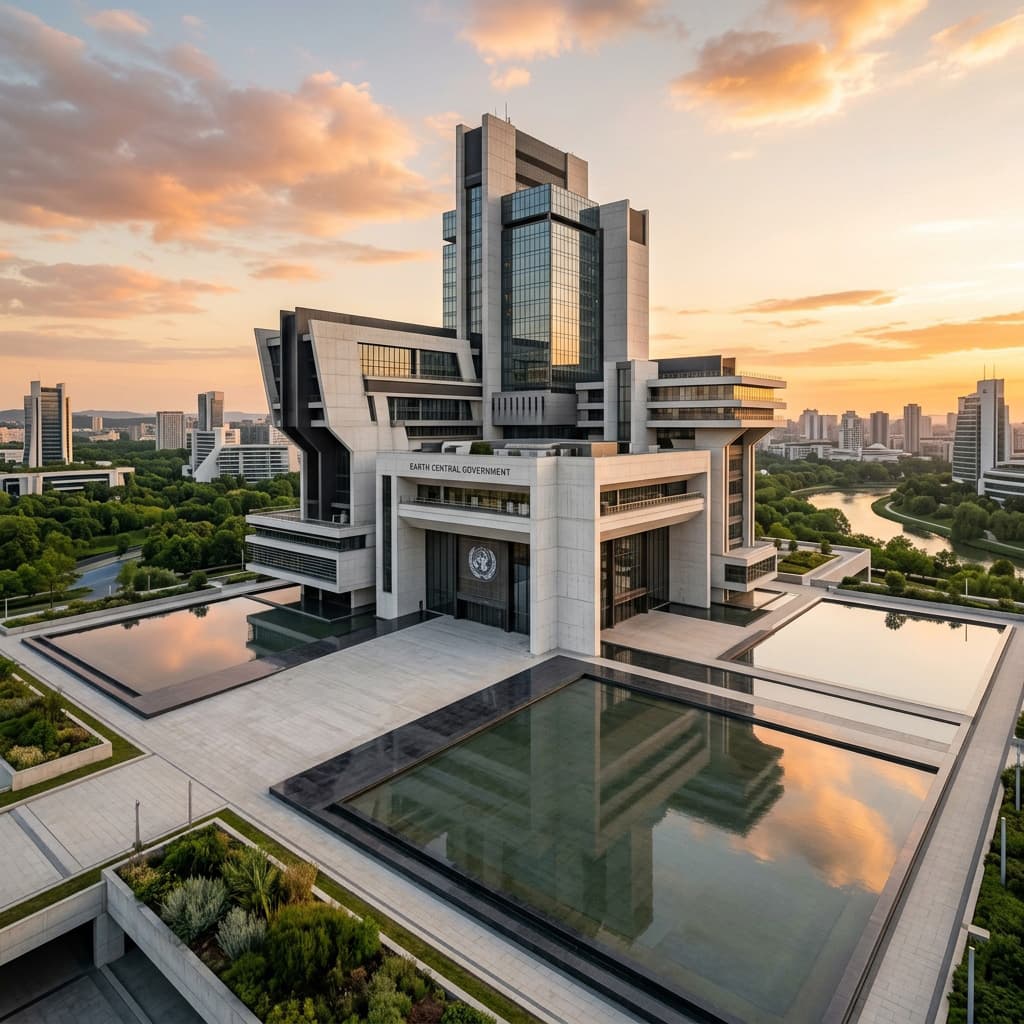
Earth's current population is approximately 11.2 billion, distributed primarily in coastal urban zones and continental interior agricultural regions. 85% of the population concentrates in metropolitan regions, with the largest cities exceeding 40 million population (Greater Tokyo, New York-Boston Corridor, European Central Zone, Yangtze Delta Region, São Paulo Metroplex). An additional 3.7 billion inhabit orbital population centers (Luna, LEO stations, LaGrange habitats), making Earth's total population sphere approximately 14.9 billion.
Urban infrastructure includes seven operational orbital elevators, supersonic atmospheric transit networks, oceanic maglev systems, and integrated space-surface cargo logistics.
Earth retains unique “Origin World” protections under UTC Charter (Class I Sovereignty). The planet's governance structure includes regional councils coordinated through Earth Central Government Complex, with ceremonial representation in UTC Senate. The planet's administrative approach emphasizes heritage preservation and cultural production over resource extraction or economic optimization.
Earth's cultural role is immeasurable. It is the origin of Terran languages, artistic traditions, literary canon, and philosophical frameworks. Major interspecies treaty signings occur on Earth to underscore diplomatic significance. Commonwealth educational programs emphasize Earth heritage through mandatory pilgrimages.
Eight hundred million annual visitors from off-world travel to Earth's heritage sites.
Environmental Protection & Strategic Assessment
SEC. V-VIEarth is designated Tier Alpha (High Protection) under UTC environmental law. World Heritage Planet status (UTC Resolution 2201) imposes strict development restrictions: no resource extraction permitted except sustainable agriculture, industrial activities prohibited, atmospheric modification forbidden, genetic contamination protocols in effect. These protections were established following the environmental crisis periods of the 21st-23rd centuries, which nearly destroyed Earth's ecosystems through unchecked industrialization and pollution.
Following environmental damage in earlier eras, Earth has undergone extensive restoration initiatives. Atmospheric CO₂ levels are maintained at 350 ppm (optimal for biosphere). De-extinction programs have resurrected over 200 species previously lost to extinction.
Bidirectional contamination risk. All returning spacers undergo 72-hour biological screening to prevent off-world pathogens from reaching Earth. Genetic preservation protocols protect native species from external contamination.
Earth is accessible to all Commonwealth citizens and approved visitors under standard protocols. Biometric screening is mandatory. Environmental impact limitations are enforced. Maximum visitor density controls apply in protected zones. Recommended visit duration is 2-4 weeks. Primary attractions include ancient cultural monuments (pyramids, temples, historic cities), natural wonders (Grand Canyon, Great Barrier Reef, Amazon Basin), evolutionary reference ecosystems, and Earth Central Government Complex tours.
Earth has no traditional strategic military value — protected status precludes militarization. Scientific value is exceptional — the planet serves as the biological reference standard for all terraforming projects and xenobiological studies across Commonwealth space. Economic value is moderate — specialized agriculture and heritage tourism generate revenue, but the planet deliberately avoids heavy industrial activity.
The primary risk to Earth is encroachment of economic pressures that might lead to relaxation of protective restrictions. Secondary risks include environmental degradation through visitor impact and potential introduction of pathogens despite quarantine protocols. Political stability is excellent; Earth has experienced no major conflicts since the establishment of unified Commonwealth governance.
Maintain protective status indefinitely
Continue ecological restoration programs
Support educational and heritage tourism as primary economic activities
Protect Earth's unique biosphere through strict enforcement of genetic contamination protocols
Use Earth's ecosystems as the fundamental reference standard for all Commonwealth terraforming and planetary management initiatives
Historical Timeline
APP. BNotable Locations
APP. AAn enormous canyon formation carved by river action over geological time. Displays geological layers spanning billions of years — one of Earth's most visually dramatic natural wonders.
The largest rainforest on Earth. Contains the densest concentration of biological complexity outside of marine ecosystems, spanning multiple nations.
The largest coral reef system on Earth, spanning Australia's east coast. Represents the maximum known diversity of reef-building organisms and reef-dependent fauna.
Pristine ecosystems and geological features relatively unmodified by human activity. Earth's remaining true wilderness, containing unique species and ice-core records.