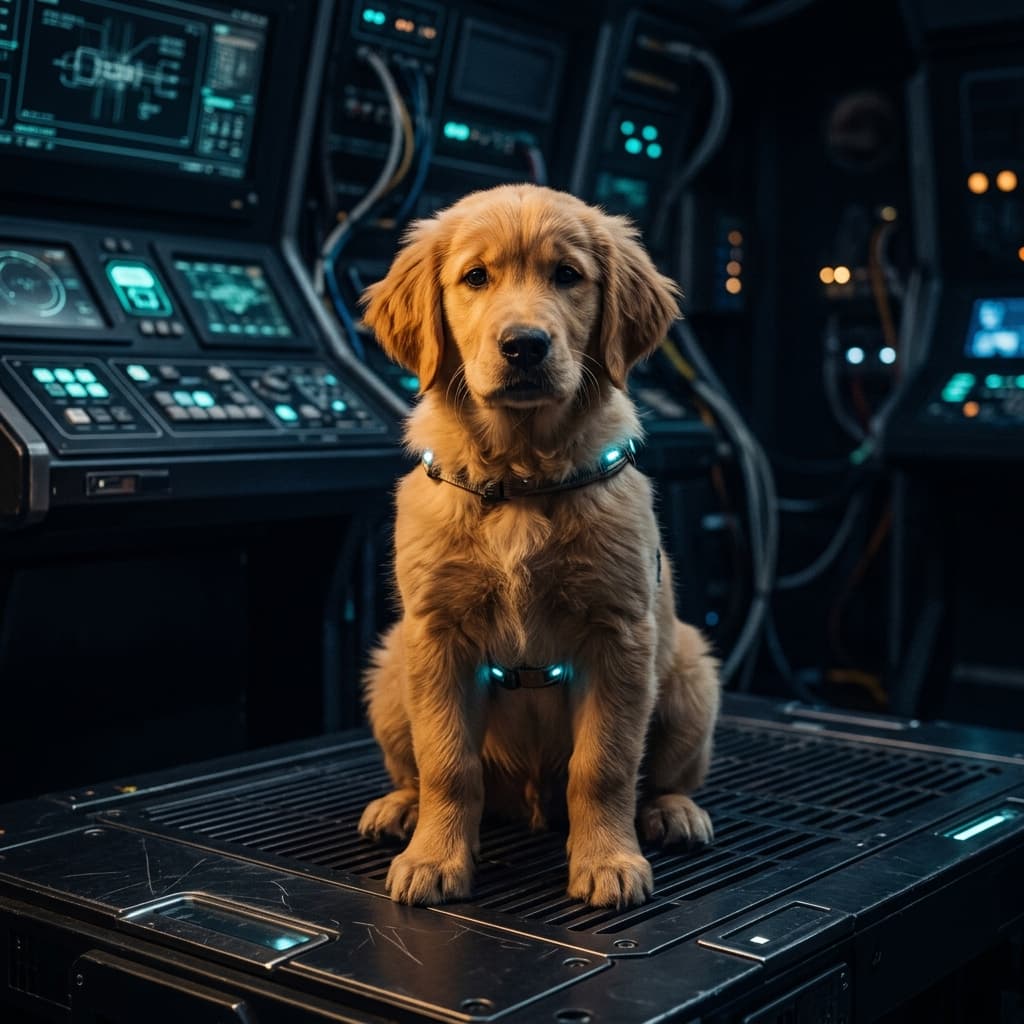
Puppies
Canis lupus familiaris (Juvenile)
Morale Stabilizers and Companion dependents
Puppies are juvenile domestic canids originating on Earth, widely distributed across Terran-settled space as companion animals, morale stabilizers, household disruptors, and culturally protected dependents. Though not sapient under AXIOM classification standards, puppies exert measurable influence over Terran behavior, emotional regulation, social bonding, and domestic resource allocation.
The subject class presents minimal physical danger under normal conditions, but its operational impact should not be underestimated. Puppies routinely interrupt work cycles, alter personnel routines, redirect attention, compromise furniture integrity, and induce protective attachment responses in otherwise disciplined individuals. AXIOM analysts classify this as a low-threat, high-affection biological influence pattern.
This profile is preserved as a cultural easter egg within the Diaspora platform. It should be read as a legitimate Terran companion-species entry with appropriate archival seriousness. Any humor detected in the document is presumed to be intentional, though not formally admitted by Records Division.
Physical & Physiological Architecture
A. Physical Characteristics
Puppy morphology appears strongly optimized for care acquisition. Terrans exposed to puppies frequently report immediate urges to protect, feed, hold, name, photograph, and narrate the subject’s behavior in a voice not used in professional settings.
B. Physiology
- Skeletal structure
- Muscular system
- Circulatory system
- Atmosphere
- Temperature tolerance
- Gravity preference
- • Small body mass during early development
- • Poor risk assessment
- • Immature immune system
- • Limited thermoregulation
- • High curiosity toward hazardous objects
- • Strong chewing instinct
- • Susceptibility to toxic foods, household chemicals, and unsecured technology
- • Emotional distress when isolated from caregivers or bonded pack members
- • Strong social bonding capacity
- • High learning potential during developmental windows
- • Excellent scent perception
- • Rapid adaptation to household routines
- • Ability to detect emotional states in Terran caregivers
- • Strong morale effect in domestic, therapeutic, and long-duration habitation contexts
- • Highly successful cohabitation model with Terrans
Puppies are juvenile members of the domestic dog lineage, descended from ancient canid populations shaped through long-term association with humans on Earth. The ancestral human-canid bond predates recorded Terran civilization and represents one of the most successful cross-species social arrangements in Terran history.
Over thousands of years, selective breeding produced diverse domestic dog lineages optimized for companionship, protection, herding, tracking, hunting assistance, rescue work, mobility support, therapy, and professional service. Puppy traits became culturally significant because juvenile dogs activate strong caregiving responses across many Terran populations.
Intelligence, Personality & Communication
- High curiosity
- Strong attachment-seeking behavior
- Short attention span during early development
- Rapid shifts between sleep, play, hunger, and suspicious investigation
- Variable boldness depending on breed lineage and individual temperament
- Strong preference for proximity to bonded caregivers
- Marked enthusiasm toward familiar individuals
Puppies exhibit a broad emotional range including excitement, fear, frustration, contentment, affection-seeking, confusion, and intense betrayal when denied access to food they were never promised.
Primary methods: Vocalization, body posture, facial expression, scent marking, tail movement, ear position, eye contact, physical contact, pawing, licking, mouthing, and object presentation
Interspecies capability: Very high with Terrans. Puppies and humans share an unusually effective cross-species social interface based on gesture, tone, routine, and mutual reinforcement.
Tactical Engagements Ledger
Ongoing Sock Attrition Event
MODERATEContinuous removal and deconstruction of textile foot-coverings under sofas and beds. Substantial laundry disruption observed.
Couch Integrity Incidents
LIMITEDLocalized excavation of cushioning materials via rapid claw-work and teeth-testing. Visual upholstery degradation observed.
Unauthorized Food Acquisition
PERSISTENTSnack-interception maneuvers launched from floor level. Utilizes highly effective facial expressions and synchronized staring to force caregiver yields.
Bath Avoidance Campaigns
HIGH AVOIDANCETactical retreats under low-clearance furniture. Strategic dead-weight maneuvers during manual transport to containment basins.
Puppies do not possess military doctrine. Any resemblance between puppy behavior and psychological operations is considered coincidental by Animal Welfare Division and “not entirely coincidental” by several field analysts.
Puppies are non-hostile. Their destructive behaviors are developmental, exploratory, anxiety-driven, or play-related. Standard response should emphasize training, environmental management, enrichment, patience, and immediate removal of anything important from floor level.
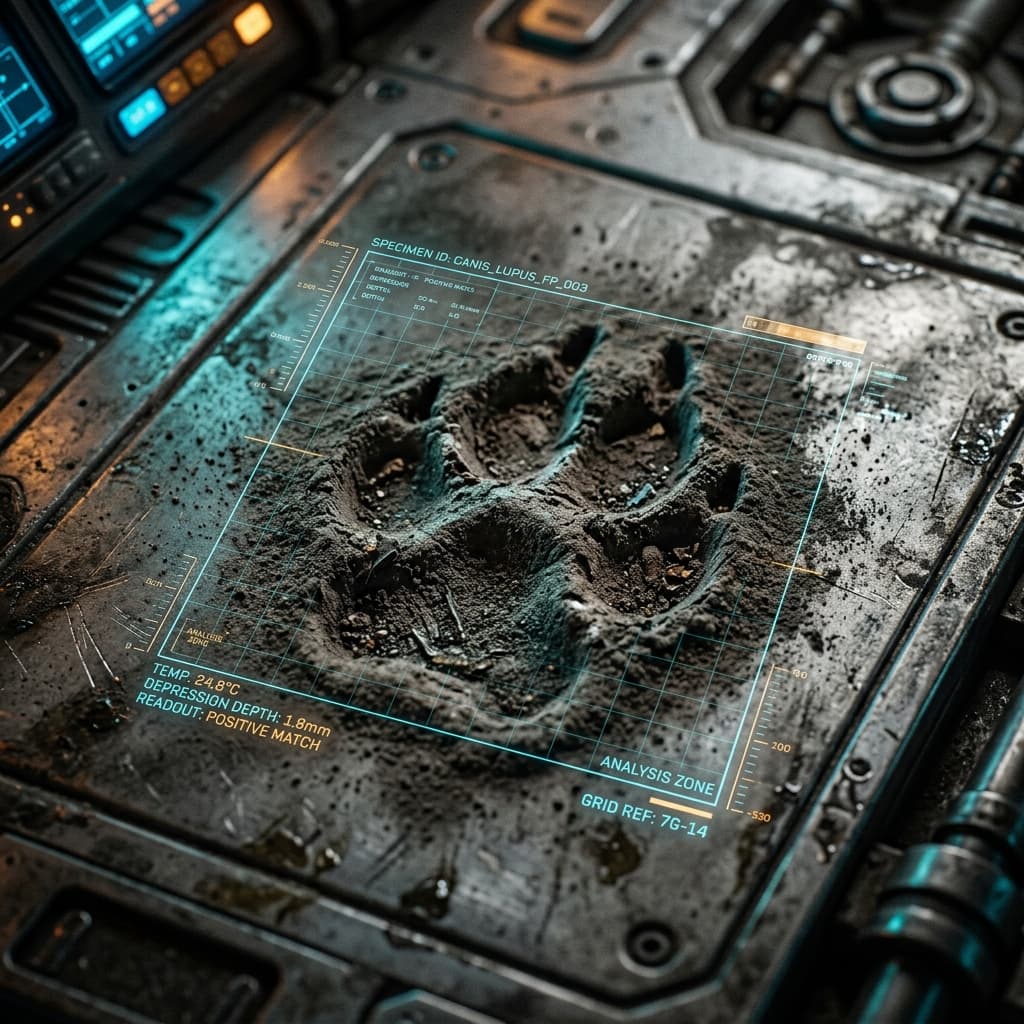
INTEGRITY CHECK: CUTE / VERIFIED
Social Dynamics, Domestic Culture & Spaceflight History
Pack-bonded domestic social model
Caregiver-mediated; subject attempts influence through persistence
Resource dependency; food, shelter, medical care, toys, and emotional labor supplied by Terran caregivers
Puppies do not form civilization-level social structures. Their social world is built around bonded caregivers, littermates, household members, familiar animals, and nearby beings who may provide food or attention.
Within Terran households, puppies frequently achieve practical authority disproportionate to their size. This authority is informal, deniable, and usually enforced through eye contact.
- Paw-based surface marking, generally accidental
- Vocal demand expression
- Toy arrangement, often uncurated
- Destructive reinterpretation of textiles
- Expressive sleeping positions
- Highly effective facial performance
Family structure: Puppies are usually integrated into Terran households as dependents. Many Terrans describe them as family members rather than property.
Gender and identity: Puppies possess biological sex characteristics associated with mammalian reproduction, but do not appear to have gender identity frameworks analogous to sapient societies. Terrans often assign gendered names, pronouns, accessories, or social roles to puppies, reflecting Terran cultural habits rather than puppy self-concept.
Class/caste: None within puppy society. Terran-created distinctions may include service training candidate, companion animal, working lineage, rescue animal, show lineage, station-certified animal, or chaos goblin. The final term is informal but widespread.
Human-canid partnership emerged on Earth long before the modern interstellar era. Domestic dogs served as hunters, guardians, workers, companions, rescuers, guides, therapeutic aides, and family members. Puppies occupied a special cultural position as symbols of trust, vulnerability, joy, and future companionship.
Domestic canids were present in Terran spaceflight history from the early orbital age onward. As Terrans expanded into stations, lunar habitats, Martian settlements, and interstellar colonies, dogs followed where environmental conditions allowed. Puppy transport became regulated under habitat biosecurity, welfare, and companion-species standards.
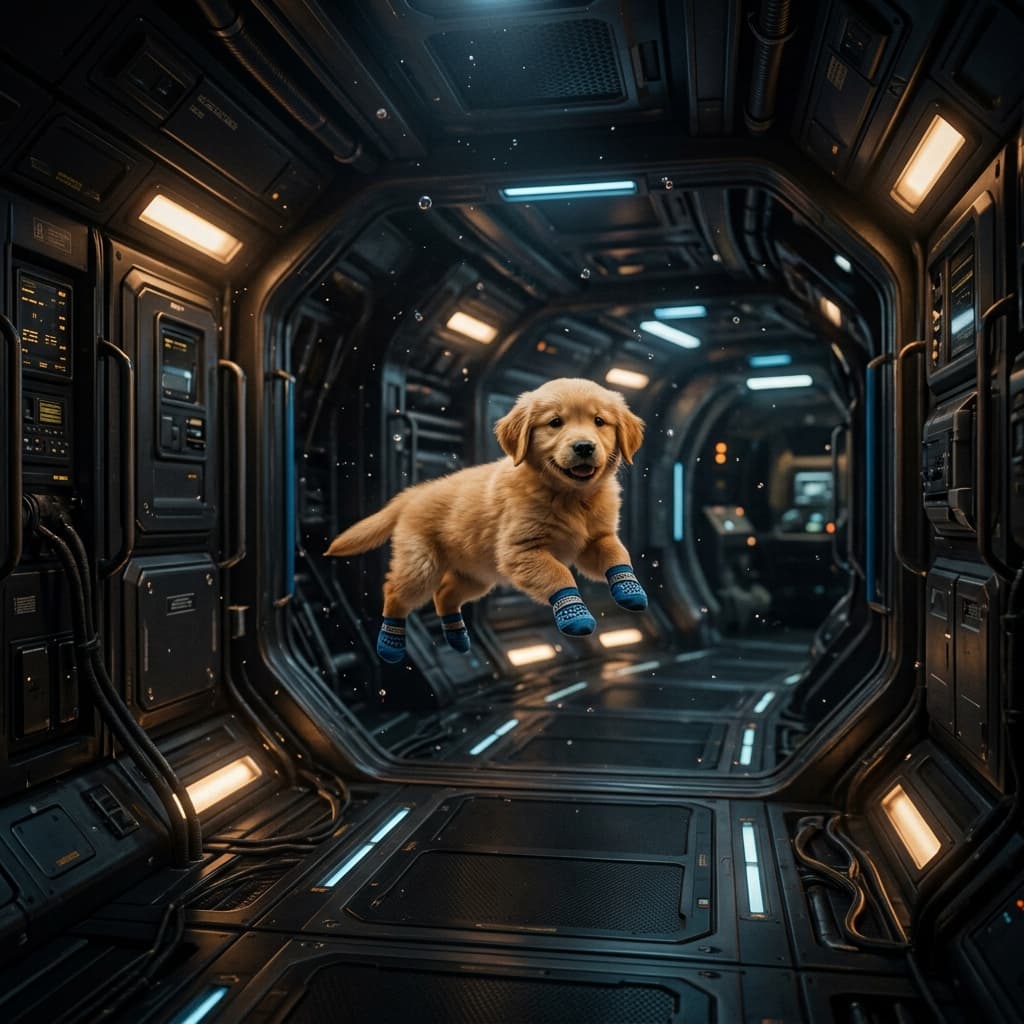
Low-gravity puppy management required extensive adaptation, including traction-safe flooring, waste control systems, soft-collision environments, and training protocols for animals who discovered that bouncing was possible.
Across the broader Terran Commonwealth era, puppies remain present in private homes, family habitats, therapeutic programs, educational environments, diplomatic residences, colony morale programs, and some vessel-based companion arrangements. Their presence in high-security AXIOM facilities is officially discouraged except under approved support-animal frameworks. Unofficial exceptions are suspected.
Diplomatic & Cross-Species Dynamics
Puppies require no formal diplomacy with the United Terran Commonwealth because they are embedded within Terran domestic civilization. Their relationship with Terrans is best understood as an ancient social compact: Terrans provide food, shelter, care, medical treatment, affection, legal protection, and toys; puppies provide companionship, loyalty, emotional grounding, entertainment, and periodic reminders that closed doors are unacceptable.
Pelari reactions to puppies vary. Many Pelari find Terran attachment to small land mammals fascinating, especially the willingness of Terrans to reorganize domestic space around a dependent creature with limited self-preservation instincts. Puppies introduced to Pelari environments require strict environmental barriers, as they are not aquatic and will attempt to investigate water with excessive confidence.
The Chorus appear aware that puppies hold unusual emotional significance for Terrans. Echoforms have reportedly paused during diplomatic exchanges to observe puppy-caregiver interactions. AXIOM has no confirmed evidence that the Chorus are immune to puppies.
Direct interaction is not recommended. Puppies may misread posture, scent, or movement cues. Vorokh subjects may interpret puppy approach behavior unpredictably. Maintain separation.
Thalrith observers may regard puppies as inefficient but socially revealing Terran dependents. Any Thalrith attempt to classify puppy affection as a weakness should be flagged for cultural briefing.
Puppies frequently interact with cats, adult dogs, small mammals, birds, and service animals. Outcomes vary from immediate friendship to extended diplomatic failure.
Opportunities & Risk Matrix
- Improved morale in controlled domestic and support settings
- Emotional support for isolated personnel
- Educational value for children and trainees
- Social bonding across households and communities
- Stress reduction in long-duration habitation
- Early training candidates for service, rescue, therapy, and detection roles
- Cultural insight into Terran caregiving instincts
In diplomatic contexts, puppies may serve as informal cultural bridges when carefully managed. They demonstrate a Terran willingness to care for vulnerable non-sapient life and reveal the emotional foundations beneath Terran pragmatism.
- Damage to personal items
- Disruption of sleep cycles
- Biosecurity requirements in closed habitats
- Waste management complications
- Noise complaints
- Chewing of unsafe materials
- Separation distress
- Unplanned morale dependency
- Personnel distraction during mission-critical tasks
- Rapid group attachment to a subject later reassigned or adopted
The most serious hazard is not the puppy itself, but Terran underestimation of the care required. Puppies are not decorative morale objects. They are living dependents with complex welfare needs.
Permit controlled puppy presence in appropriate Terran cultural exchange settings. Do not deploy puppies as novelty objects. Ensure welfare oversight, stress monitoring, environmental safety, and handler accountability.
No military posture required. In secure facilities, restrict access to sensitive equipment, hazardous materials, and unattended ration stores.
- Companion animal welfare in low-gravity and variable-gravity habitats
- Cross-species perception of Terran companion bonding
- Puppy-supported morale systems for long-duration missions
- Ethical standards for animal presence aboard ships and stations
Timeline, Notable Classes & References
Early human-canid association begins on Earth.
Domestic dogs diversify into numerous working and companion lineages.
Domestic canids become symbolically linked to Terran space exploration history.
Companion animal transport protocols emerge for lunar, Martian, orbital, and exoplanetary habitats.
Puppies remain culturally protected across Terran space, subject to habitat-specific welfare and biosecurity regulation.
PUPPY-SPE-EGG-001 preserved as cultural easter egg profile.
No formal CHAR dossiers are attached to this profile. Informal notable categories include first puppy aboard a given vessel, station mascot puppies, rescue-lineage puppies later trained for disaster work, therapy puppies assigned to recovery programs, puppies adopted by personnel who 'were only going to foster temporarily', and puppies who have appeared in official crew photographs despite not being on the manifest.
- EARTH-PLAN-001 — Companion planetary profile for Earth, Sol System
- TERRAN-CUL-001 — Terran Domestic Companion Traditions
- ANIMAL-WELFARE-REG-004 — Companion Species Transport and Habitat Standards
- MORALE-OPS-GUIDE-012 — Non-Sapient Companion Integration in Long-Duration Habitats
- • Terran veterinary archives
- • Commonwealth habitat welfare law
- • Domestic companion registration systems
- • Station morale program records
- • Family media archives, excessive volume